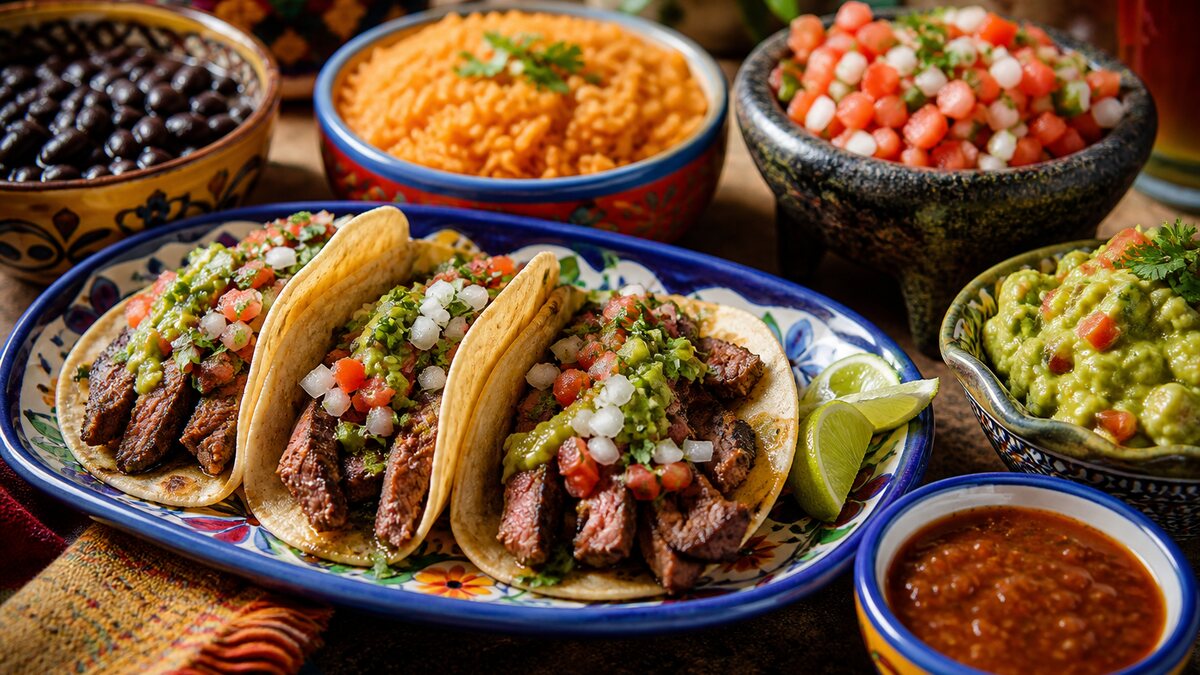
Mexican restaurant food is unusually hard to reduce to one calorie chart. A taco may be a small corn tortilla with grilled fish and cabbage, or a large flour tortilla filled with fried meat, cheese, and crema. “Rice and beans” might be a modest side or cover half the plate. The cuisine is not the problem; treating menu names as standardized recipes is.
A better approach is to identify the tortilla or base, cooking method, fillings, toppings, and portion actually eaten. That gives you an estimate you can explain and revise.
Start with the restaurant’s own information
If a chain publishes current nutrition facts, use its official menu or website before a generic database. Match the exact item, size, protein, and customization. Published figures normally describe the restaurant’s standard build, so account separately for added queso, extra tortillas, or food left on the plate.
Independent restaurants rarely have tested values. In that case, use comparable recipes or component estimates rather than borrowing a number from an unrelated chain. Different kitchens use different tortilla sizes, oil amounts, and serving spoons.
Read the plate in layers
Tortillas and bases
Count what is visible: corn or flour tortillas, a tostada shell, chips, rice, or a large burrito wrap. Size matters as much as type. A burrito also hides its filling, while open tacos make portions easier to inspect.
Protein and cooking method
Grilled carne asada, stewed carnitas, battered fish, and cheese-heavy chile relleno are prepared differently. Look for words such as grilled, braised, fried, crispy, or smothered. Do not assume all meats—or all vegetarian dishes—have similar energy density.
Beans, cheese, and sauces
Beans can add useful protein and fiber, but refried beans may include additional fat. Cheese, crema, queso, guacamole, and oil-based sauces deserve their own line in an estimate when the portions are substantial. Salsa and pico de gallo are not interchangeable with queso simply because both arrive in small bowls.
Chips are part of the order
A shared basket is easy to forget because it arrives before the meal and has no individual portion. Create a practical boundary: put your share on a side plate, note roughly how much of the basket the table ate, or log a range. Include dips according to what you used. There is no need to reconstruct every chip after dinner; there is value in remembering the basket existed.
Compare common formats, not labels
Instead of asking whether tacos are always “better” than a burrito, compare what is actually included:
- Tacos: number and size of tortillas, protein per taco, cheese, crema, and sides.
- Burritos: wrap, rice, beans, protein, cheese, sauce, and total size.
- Bowls: no wrap, but potentially larger scoops of rice, toppings, or dressing.
- Fajitas: meat and vegetables plus the oil on the skillet, tortillas, rice, beans, and toppings.
- Enchiladas: filled tortillas plus sauce, cheese, and accompanying sides.
A bowl can be larger than a burrito; three loaded tacos can exceed two simple ones. Format gives clues, not a verdict.
Make the order easier to estimate
You can improve clarity without turning dinner into a diet exercise. Ask which sides come with the dish. Choose the number of tortillas you intend to eat. Request crema or queso on the side if you want control over the amount. Split a very large burrito before eating rather than estimating leftovers from memory.
For a quick workflow, use a restaurant menu scanner before ordering, then verify the result against the plate. Trayly can suggest a reviewable estimate from menu text or a photo; it is not a laboratory measurement and cannot see oil inside rice or filling under a tortilla.
A five-minute logging method
- Record the exact menu item and restaurant-published value when available.
- Otherwise list the base, protein, beans or rice, major toppings, and cooking method.
- Add chips, dips, drinks, and extra tortillas that you consumed.
- Estimate the fraction eaten, especially for large platters.
- Review the result and save a reasonable range if uncertainty is high.
Photos work best when the whole plate and side dishes are visible. The techniques in better food photos for calorie tracking help preserve details you may otherwise forget.
Accuracy without false precision
Restaurant portions change between cooks and visits. Even an official value represents a standardized item, not a chemical analysis of your plate. Generic estimates carry more uncertainty, especially for oil, cheese, and hidden fillings. Our guide to AI calorie estimate accuracy explains why reviewing assumptions matters.
The goal is not to find one universal number for “Mexican food.” It is to make a consistent, useful record of this meal: what the restaurant served, what you changed, and what you actually ate.